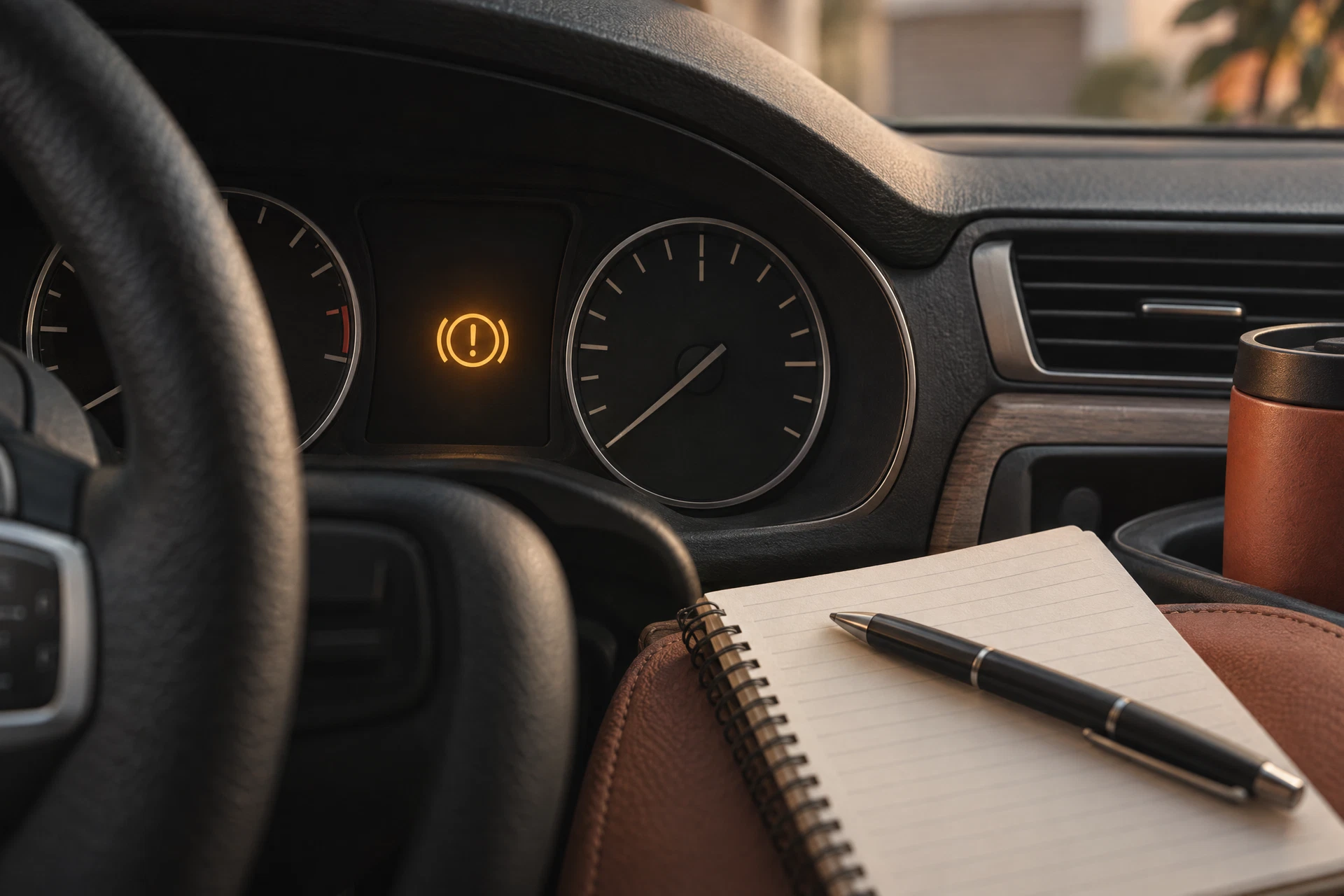
The Difference Between a Reminder and a Warning
How to approach vehicle messages by reading context, manual guidance, and behavior together instead of relying on a label alone.
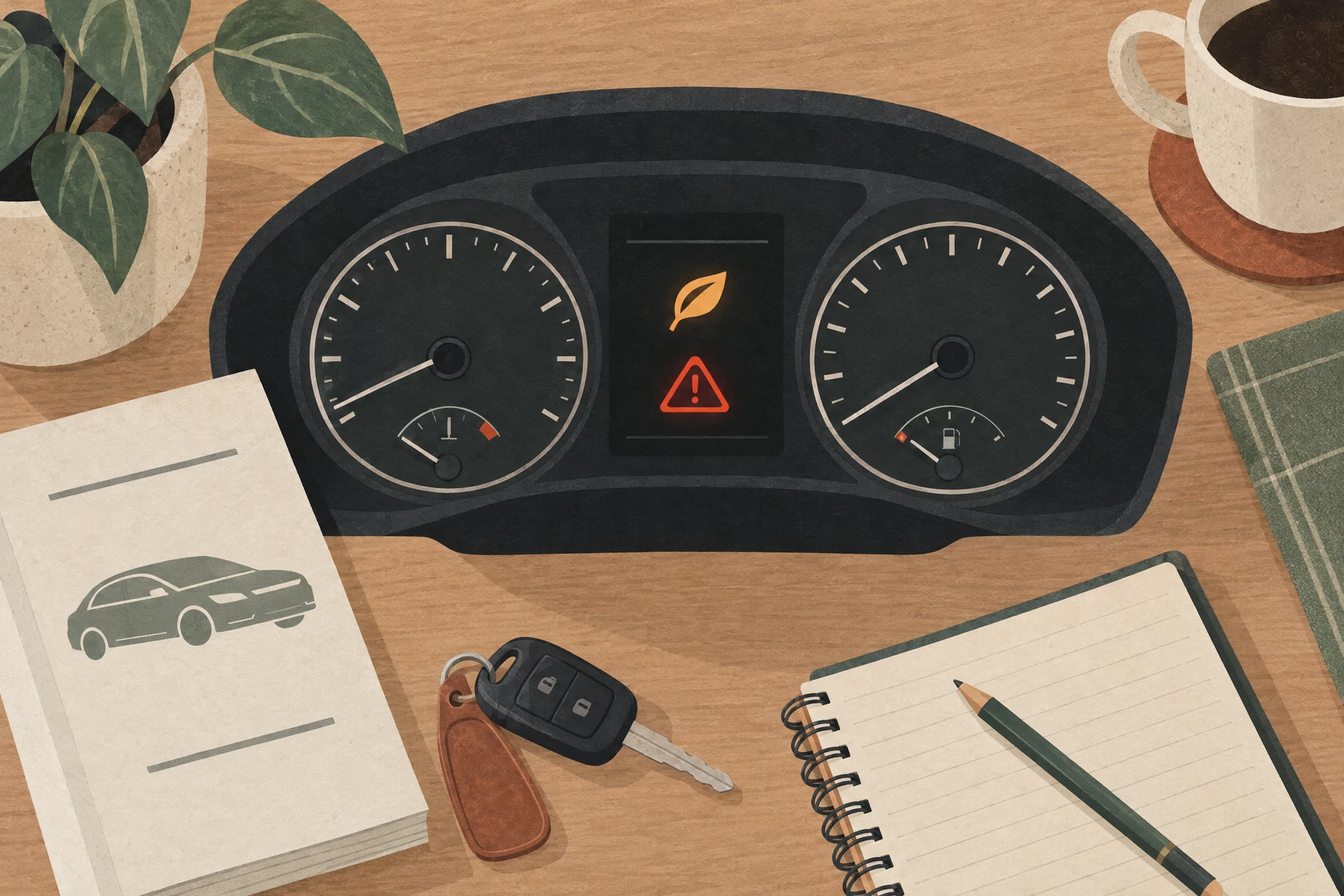
Few dashboard lights are as easy to ignore as a gentle chime paired with a soft symbol that appears briefly and then fades. The same physical lamp can mean very different things depending on the words in the owner’s manual, the color the light shows, and how the indicator behaves. Learning to read those differences helps you decide whether to schedule routine service, adjust a habit, or stop and get help.
This article focuses on how to treat reminders and warnings as distinct signals rather than interchangeable annoyances. A reminder is usually informational: the vehicle or a maintenance system prompting you to take a planned action. A warning is more urgent: the car is telling you something needs immediate attention. Knowing which is which comes from a few simple checks you can do without tools, plus a short note-taking habit that makes later conversations with a technician clearer.
I’ll walk through three practical ways to interpret what a light is trying to tell you, show how to combine color and behavior to make safer short-term choices, explain why resist the urge to diagnose from a single lamp, and give a template for a repeatable ‘response card’ to keep in the glovebox. Always consult the owner’s manual for vehicle-specific meanings and seek qualified help if you are unsure.
In this article
Read the manufacturer’s words
Manufacturers attach specific meanings to each symbol and phrase; the same pictogram can mean service due on one vehicle and an active fault on another. Start by locating the section of the owner’s manual that documents dashboard indicators. Don’t rely only on a quick internet image search: the manual provides the intended definition, recommended driver response (for example, ‘schedule service’ vs ‘stop safely’), and sometimes the conditions under which the light will illuminate or turn off.
When a light appears, record the exact wording shown on any message center, the symbol, the mileage, and the time of day. Ask yourself: does the manual list this as a ‘reminder’ or a ‘warning’? If it’s a reminder, the manual will often suggest a service interval or routine check; if it’s a warning, the manual will describe immediate steps or a recommended level of risk. Use those manufacturer words to prioritize next actions and to brief the technician later.
Look at color and behavior together
Color and whether a light is steady, flashing, or accompanied by a chime provide important context. Green and blue indicators typically tell you a system is active, amber or yellow generally means attention or service is needed, and red or flashing lights usually indicate more urgent problems. For warning-light, braking, temperature, tire, or driving-safety contexts, say that red/flashing alerts, sudden/persistent behavior changes, or uncertainty about safe travel should be evaluated promptly by a qualified professional.
Behavior matters as much as hue. A brief green reminder to close a door is very different from a steady amber light that appears after restart, or a red flashing lamp while driving. Note whether the light changes with engine speed, vehicle motion, or after switching the ignition off and on. If the light goes away when you restart, it may be a transient reminder or a self-check; if it returns or is accompanied by new noises, smells, temperature changes, or handling differences, treat it as a higher-priority concern and avoid driving through the symptom.
Avoid turning a reminder into a diagnosis
A common owner response is to jump from an illuminated lamp to a detailed mechanical diagnosis. That’s tempting but unnecessary for most reminders. If the owner’s manual labels the indicator as service-related (for example, scheduled maintenance, emission-system check, or change oil soon), take it as an administrative cue to plan work, not as confirmation of a particular failed part. Over-interpreting these lights can lead to incorrect assumptions and unhelpful DIY attempts.
Instead of diagnosing, collect facts: when did it first appear, what else changed, and what does the manual recommend? Use simple questions — Did the light come on after fueling, after a long drive, or at cold start? Is there a message in the instrument cluster? — to build a clear, repeatable record for the service technician. A factual log reduces unnecessary parts swapping and helps the professional focus tests where they matter.
Make a repeatable response card
Keep a small card or sheet in the glovebox with a short checklist you can fill out when any light appears. Useful fields include date, mileage, symbol description, message text, whether the light was steady or flashing, whether a chime occurred, and any accompanying symptoms such as changes in acceleration, unusual noises, smells, or handling. A consistent set of observations makes it easier to compare events and communicates clearly to whoever inspects the vehicle.
Also include a short decision box on the card: consult manual first; if the manual calls it a reminder, schedule routine service; if the manual calls it a warning or the light is red/flashing, stop and seek qualified help. Attach space for the name and phone of your preferred service location and a line noting whether you drove there or had the vehicle towed. This simple habit turns a confusing moment into actionable information and helps avoid unnecessary risk.
Keep the next step useful
Dashboard indicators are communication tools; treat reminders as prompts to plan, and warnings as prompts to pause and verify. Use the manufacturer’s wording, record what you observe, and resist diagnosing from a single light. If a red or flashing lamp appears, if behavior changes suddenly or persists, or if you’re unsure whether it’s safe to continue driving, have the vehicle evaluated promptly by a qualified professional rather than attempting to drive through the symptom.