A Better Pre-Trip Routine for Everyday Drivers
A concise pre-trip reset built around visibility, route context, basic supplies, and a few observations before a longer drive.

A brief pre-trip routine can keep everyday driving steady and less stressful. Rather than a full service inspection, a focused five-minute check before you climb in reduces small surprises: a flat that could have been seen from the curb, a windshield smeared by overnight dust, or a tail lamp left out after a grocery trip. Seasonal factors — road salt, fallen leaves, or heat-soaked pavement — change what you look for, so keeping the routine simple and repeatable helps you adapt.
This article breaks the habit into four practical steps you can use before short drives, the commute, or longer errands. Each step includes specific observations to make, short prompts to write in a quick log, and a question-led approach that helps you decide whether to proceed or pause and investigate. Use your owner’s manual for vehicle-specific items, and if anything feels wrong, treat that as a cue to stop and consult a qualified professional.
The routine emphasizes an outside walk-around, checking route and conditions, carrying a modest kit, and keeping a compact vehicle record. Follow these items in the order below so you form a predictable pattern; that pattern makes it easier to spot what’s different from last time and reduces guesswork about whether a vehicle is ready for the drive ahead.
In this article
Begin with a short outside check
Start with a deliberate exterior walk-around. Look at each tire for obvious cuts, bulges, or embedded objects and note which tire you inspected. Glance under the vehicle for fresh drips or puddles and note the color and location. Check all exterior lights by turning the ignition to accessories and activating bright and turn signals; step back to confirm bulbs appear to come on. Inspect the windshield and mirrors for large cracks, thick chips, or wiper streaks that will reduce visibility.
Ask yourself two decision questions: does anything look or smell different than yesterday, and can I easily correct the issue before leaving? If you see a new leak, an unusual bulge in a tire, or a dashboard warning at startup, pause. Red/flashing alerts, sudden/persistent behavior changes, or uncertainty about safe travel should be evaluated promptly by a qualified professional. Consult the owner’s manual for any dashboard icons you don’t recognize and keep notes about what you observed for the record.
Check the route and conditions
Before you turn the key, check the route you plan to use. Look at current weather for your area and along the route — temperature swings, precipitation type, and expected visibility are all relevant. Scan for scheduled roadwork or closures and identify one alternate road that avoids the most exposed or flood-prone stretches. Ask: is the timing such that I will be driving in low light, and if so, is my commute route well lit or better done a different time?
Factor in seasonal hazards: fallen leaves can hide lane markings, early-morning frost forms where shade and bridges meet, and summer heat can increase tire sensitivity. If the route includes steep grades, long descents, or frequent stop-and-go traffic, decide whether the vehicle’s current condition matches that challenge — for example, cargo weight or reduced braking feel are reasons to reconsider trips or seek a quick service check. When in doubt about whether your vehicle is up to the route, pause and consult a qualified professional instead of continuing.
Pack a modest vehicle kit
Assemble a small, season-aware kit and keep it in a designated bin or compartment so it’s ready every day. Essentials to consider: a compact flashlight with fresh batteries, a spare phone charging cable, a simple first-aid kit with taped instructions, an ice scraper or de-icer tool for cold months, and a sealed bottle of water plus a nonperishable snack. Rotate perishable items seasonally and replace batteries or expired items during a quick monthly glance.
Keep the kit modest and tailored to the usual length of your trips — oversized gear can shift and create hazards in a sudden stop. Add a pair of lightweight work gloves and a bright safety vest if you frequently need to check the vehicle at the roadside. Create a short checklist for the kit (contents and replacement dates) and tape it inside the lid of the bin so you can update it on the same cadence as oil changes or tire rotations in your record-keeping system.
Keep the vehicle record close
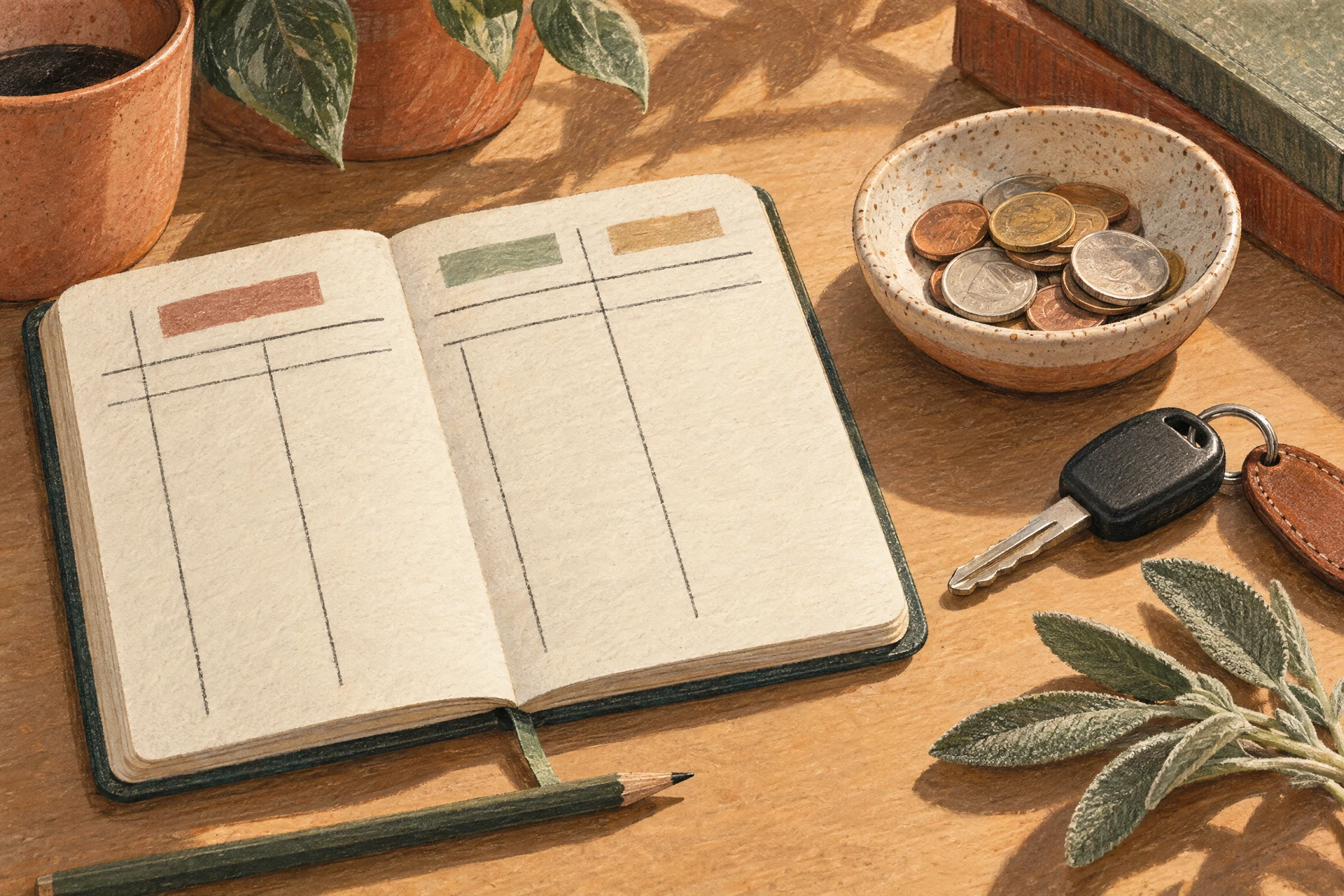
A compact vehicle record makes the routine useful over time. Keep a small notebook or a single folder in the glovebox with last-service dates, who performed the work, recent odometer reading, and quick notes such as “rear tire slow leak observed 6/12” or “wiper blade smears at speeds above 50 mph.” When you finish the outside check, jot the odometer, fuel level, any lights seen, and your tick-box answers to two quick questions: Can I safely drive today? What will I check again on return?
Consider a parallel digital backup: a photo of the dashboard showing the odometer and any warning lights, a snapshot of a tire tread where you saw an issue, or a scanned copy of recent receipts. Time-stamped images reduce recall bias and make it easier to communicate what you observed if you contact a service provider. Keep the owner’s manual handy for vehicle-specific notes and always turn to a qualified professional for anything that could affect safe operation rather than assuming it’s minor.
Keep the next step useful
A short, consistent pre-trip routine saves attention and reduces uncertainty before each drive. Use the outside check, route review, modest kit, and a compact record together so decisions are guided by what you can observe and what you’ve already documented. When something is unclear, or when a warning light or vehicle behavior is unexpected, consult the owner’s manual and have the vehicle evaluated by a qualified professional rather than pressing on; that choice keeps daily driving reliable and predictable.